
Jail Tablets Are Costing Inmates and Their Families A Fortune
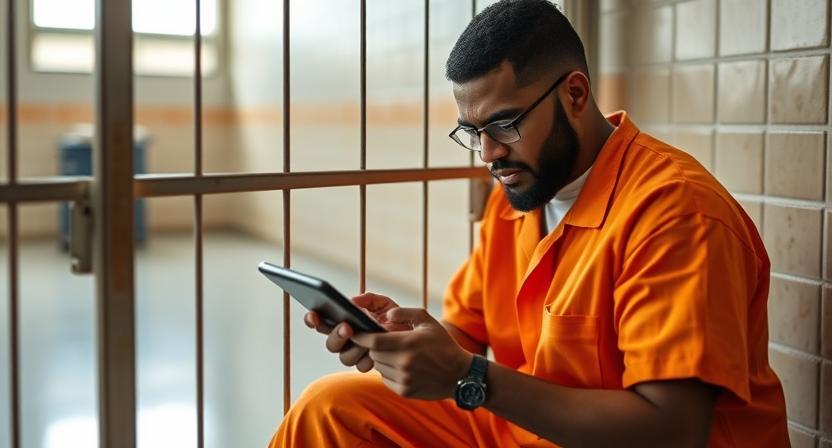
Prisons across the U.S. are handing out "free" tablets to inmates. At first, it might sound like a step toward modernizing incarceration, offering tools for communication, education, and entertainment. But behind that shiny promise lies a system built to make money off some of the most vulnerable people in society. These tablets are anything but free. This blog takes a deeper look into the hidden costs, how the system operates, and the real-life consequences for inmates and their families.
What’s Really Free?
While the tablets themselves don’t cost anything upfront, nearly every feature they offer comes with a price tag:
- Sending or receiving messages? That can cost around $0.05 per message or more ($0.50 for Douglas County).
- Watching a movie? Roughly $3 per hour.
- Listening to music? Often sold by the track or via expensive monthly plans.
- Reading an e-book? Limited and sometimes outdated selection, and still not free.
Now picture trying to afford those services on prison wages, which range from $0.17 to $0.75 per hour, depending on the facility and job. That’s hours of work just to afford one movie. Families often end up covering the costs to maintain contact, which can mean choosing between supporting a loved one and covering their own essentials.
Even simple acts like putting money into an inmate’s trust account come with steep processing fees, some as high as $8 per transaction. That adds up quickly for families who are often already financially stretched.
How the System Makes Money
Tablet companies like ViaPath (formerly GTL) and Securus Technologies don’t just provide tablets, they control nearly every paid service on them. These companies enter exclusive contracts with state and county correctional systems, which means no competitors, no price comparison, and no choice for consumers.
In exchange, many departments of corrections get a share of the profits, what they call "commissions" or "site fees." These can be up to 40% of what inmates and families spend. That creates a dangerous incentive for prisons to increase usage of paid services.
Some facilities have even cut in-person visits altogether, forcing families to rely on expensive video calls instead. Others restrict or ban physical book donations, so inmates are stuck with whatever digital options the tablet vendor provides, often a limited and poorly curated selection.
Privacy, Surveillance, and Control
The tablets also raise serious concerns about privacy and control. Every message, call, or media file is monitored. Emails and texts can be scanned automatically for keywords. Phone and video calls are recorded and can be reviewed by staff.
Even physical letters are no longer sacred. Many prisons now require mail to be sent to third-party facilities where it's scanned and uploaded to the tablets. While this may reduce contraband, it also strips away the human touch of a handwritten letter.
Security issues have also emerged. In 2024, inmates in South Dakota hacked tablets to transfer unauthorized funds, exposing the vulnerabilities of the system. These devices aren’t just expensive, they’re also under constant watch.
Pros and Cons of Prison Tablets
Pros:
- Increased Communication: Tablets offer more ways for inmates to stay in touch with loved ones, through email, video calls, and messaging, especially where visits are difficult.
- Access to Education: Some tablets include courses, GED prep, and other educational tools that can help inmates better themselves.
- Entertainment and Mental Health Relief: Music, books, and movies can help reduce stress and improve mental health in a difficult environment.
- Job Skills Training: In some cases, tablets offer career training or basic digital literacy that can help with reentry after release.
Cons:
- High Costs: Most services come with steep fees, which burden inmates and families who often live below the poverty line.
- Profit-Driven Contracts: Prisons and vendors make money off usage, creating incentives to push paid features over free ones.
- Reduced Human Connection: Some prisons replace in-person visits with video calls, weakening family bonds.
- Limited Quality and Choice: Content libraries are often small, outdated, or not well maintained, and there’s no option to choose a different provider.
- Surveillance and Privacy Issues: Every interaction is monitored, scanned, and stored, raising concerns about privacy and the psychological effects of constant surveillance.
Rules Are Changing, But Not Enough
The Federal Communications Commission (FCC) has started addressing some of these issues. Starting mid-2025, new rules will limit how much prisons and companies can profit from phone and video calls. That’s a step forward and it can’t happen soon enough.
But there’s a catch: these new rules don’t apply to messaging, media content, or educational materials, the very features most used on the tablets. With call profits capped, many expect vendors and corrections departments to shift focus to squeezing more money from emails, music, games, and digital libraries.
What Needs to Happen Next
If we want a prison system that prioritizes rehabilitation and connection over profit, several key changes are needed:
- Make messaging free: Basic communication with family should not come with a price tag.
- End kickbacks: Prisons should not earn revenue from paid services, it's a conflict of interest.
- Encourage competition: Inmates and families should have choices in communication services, just like in the outside world.
- Protect real mail: Allow people to send physical letters and books, not just digital versions.
- Improve access to real education: Tablets should offer free or affordable access to high-quality learning tools, not pay-to-play distractions.
In theory, prison tablets could be a lifeline. They could help people stay connected, learn new skills, and prepare for life after release. But the current model is built around profit, not people. It turns basic human needs, like talking to your child or reading a book, into luxury services.
This isn’t just about money, it’s about dignity, justice, and creating a system that truly supports rehabilitation. With smarter rules, better oversight, and public pressure, we can turn these digital tools from a burden into a benefit.
You can help!! Support organizations working to reform prison communication and end exploitation. Ask local and state leaders to investigate contracts with tablet vendors. The more we speak up, the more pressure there is for change. Everyone deserves access to connection, not just those who can afford to pay for it.
If you would like to see change within our jails and prisons, you can write your local Senator. To find out what district and Senator is, go to https://nebraskalegislature.gov/senators/senator_find.php
Sources:
https://www.prisonlegalnews.org/news/2025/mar/1/pay-play-tablets-costly-new-prison-paradigm/